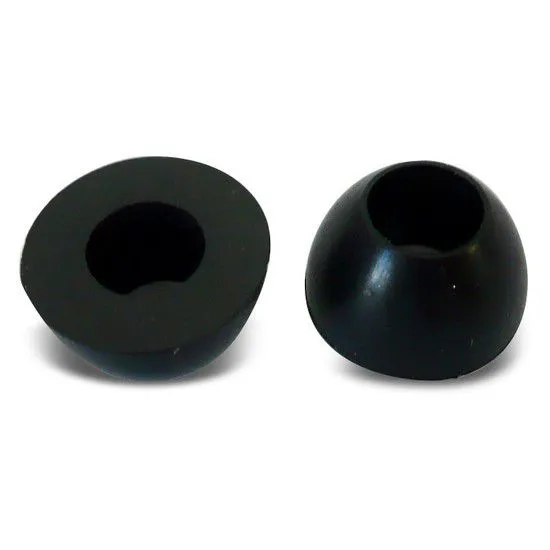

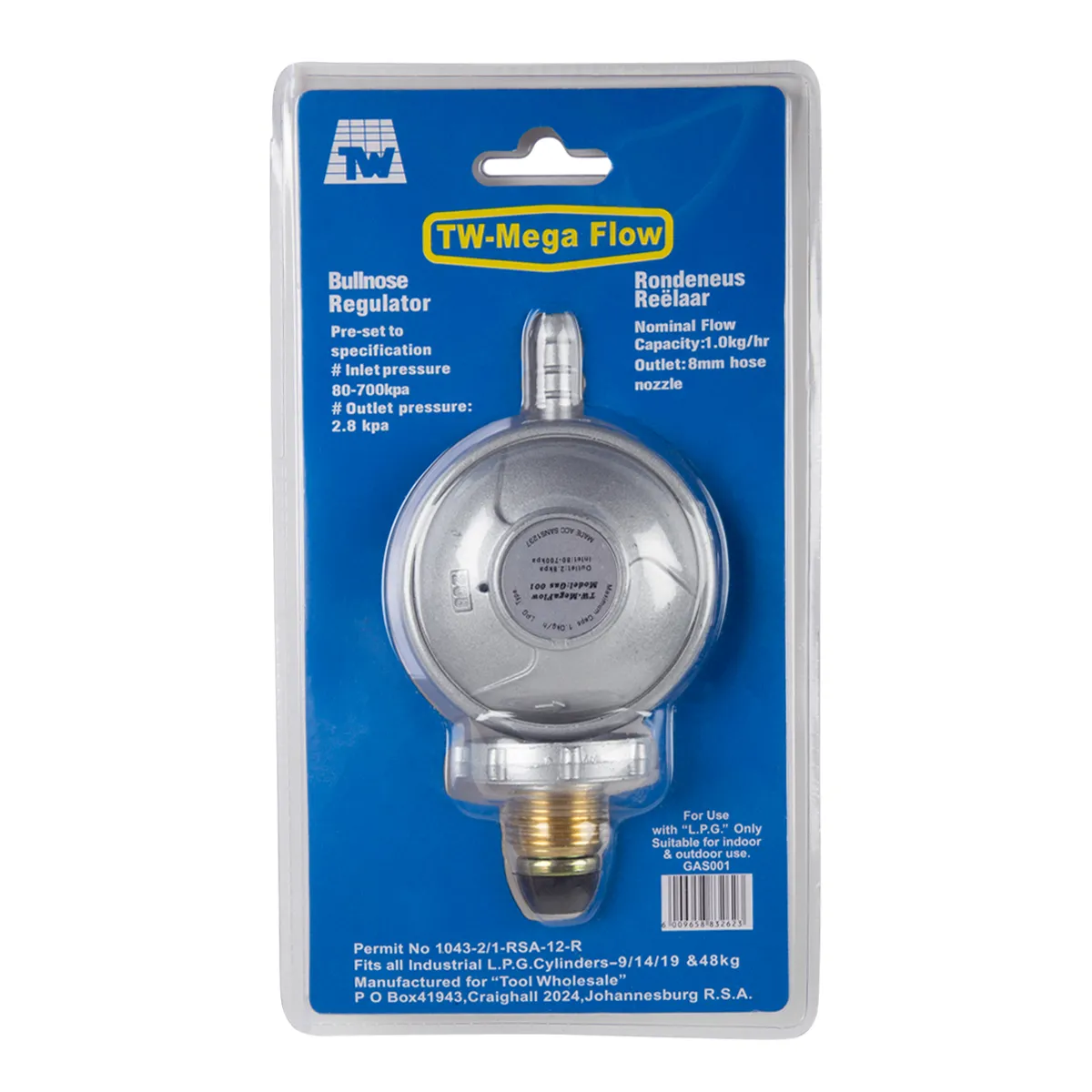
The Bullnose Rubber Seal (Cadac-style) is a precision-molded elastomer gasket specifically designed to create a high-pressure, gas-tight seal between a standard domestic gas cylinder and its regulator or appliance. While commonly associated with Cadac-brand cylinders, this "Bullnose" (or L-shape) profile is the industry standard for most internal-thread gas valves used in residential, camping, and light industrial applications.
Technical Specifications
- Material: High-grade, gas-resistant Nitrile Butadiene Rubber (NBR).
- Profile: "Bullnose" (Convex shoulder with a flat sealing face).
- Compatibility: Standard 3kg, 5kg, and 7kg vertical-valve gas cylinders.
- Application: Fits between the cylinder valve outlet and the regulator nose-piece.
- Chemical Resistance: Engineered specifically for LPG (Liquid Petroleum Gas), Propane, and Butane.
Key Performance Features
- Leak Prevention: The NBR compound is designed to "crush" slightly under the compression of the regulator nut, filling microscopic imperfections in the brass valve seat to prevent hazardous gas leaks.
- Elastic Memory: High-quality Bullnose seals retain their shape after multiple compression cycles, ensuring a reliable seal every time the cylinder is swapped for a refill.
- Low-Temperature Flexibility: Remained supple even during the freezing temperatures common in early winter mornings, preventing the rubber from becoming brittle and cracking.
- Standardized Geometry: Precision-molded to fit the standard 5/8" BSP (Left-hand thread) bullnose connectors found on the majority of portable gas appliances and heaters.
- UV and Ozone Resistant: Treated to withstand environmental exposure, ensuring the seal doesn't degrade when stored in outdoor gas cages or utility crates.
Professional Safety & Usage Tips
- The "Visual Check": CRITICAL. Every time you change a gas cylinder, inspect the rubber seal. If you see any flat spots, cracks, or "chewed" edges, replace it immediately. A R5 seal is the only thing standing between a safe braai and a gas fire.
- No Tools Required: The Bullnose seal is designed to be effective with hand-tightened regulators. Do not use a pipe wrench or pliers to overtighten the nut; excessive force can "extrude" or tear the rubber seal, actually causing a leak.
- The Bubble Test: After installing a new seal, always test the connection by applying a small amount of soapy water to the joint. If bubbles form, the seal is incorrectly seated or damaged.
- Oil-Free Installation: Never use grease, oil, or petroleum jelly to "lubricate" a gas seal. These substances can degrade the NBR rubber and create a slip-hazard that allows the regulator to vibrate loose.
- Storage: Keep a spare pack of seals in a clean, dry spot in your utility bag. Dust and grit are the primary enemies of a gas-tight seal; always wipe the brass valve and the rubber seal with a clean cloth before connecting.
Common Use Cases
- Home Heating: Ensuring a safe connection for indoor gas roll-about heaters.
- Outdoor Cooking: Essential for gas braais, skottels, and camping stoves.
- Industrial: Connecting small-scale gas torches or plumbers' furnaces.
- Emergency Prep: Maintaining a "ready-to-go" backup fuel supply for power outages.
Pro Tip: In high-use environments, the Bullnose seal is a "consumable" item. Even if it looks intact, the rubber can "set" over time, losing its ability to spring back. Replacing these seals once a year—especially before the high-demand winter heating season—is a professional-standard safety practice. If you are struggling to seat the seal, a tiny drop of dish soap (not oil) can help it glide into the brass recess.
Related products