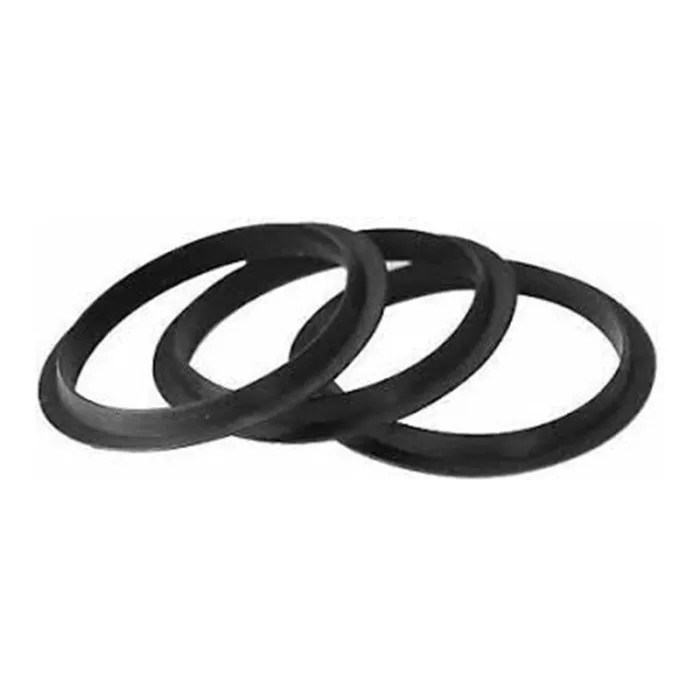


The Advanced Valve Vacuum Breaker is a crucial device designed to prevent backflow and protect water systems from contamination due to the creation of a vacuum or siphoning effect. It is commonly used in irrigation systems, plumbing systems, and industrial applications to safeguard against potential hazards caused by negative pressure. Below is a detailed overview of the features, benefits, and applications of this device:
Product Overview:
- Type: Vacuum Breaker Valve
- Function: Prevents the formation of a vacuum within pipes by automatically allowing air to enter the system, thereby avoiding back-siphonage or backflow of contaminants into the potable water supply.
- Applications: Primarily used in water and fluid handling systems, particularly in irrigation systems, sprinkler systems, and plumbing to ensure safe and clean water supply.
Key Features:
- Prevents Backflow: The vacuum breaker automatically opens to allow air to enter the system when negative pressure is detected, preventing water from being siphoned back into the potable water supply.
- Automatic Operation: The valve works automatically in response to pressure changes in the system. When negative pressure or a vacuum is formed, the valve activates without requiring manual intervention.
- Durable Construction: Typically constructed from corrosion-resistant materials such as brass, stainless steel, or high-grade plastics to ensure long-term durability, even in harsh outdoor or industrial environments.
- Compact Design: Designed to be space-efficient, the vacuum breaker is often small and lightweight, making it easy to install in tight spaces or in existing systems without requiring major modifications.
- Non-Return Function: In addition to preventing backflow, the valve can also act as a one-way valve to prevent water from flowing backward into the system once air has entered.
- Low Maintenance: The design of the vacuum breaker requires minimal maintenance, reducing the risk of system downtime. Routine checks to ensure proper operation are typically sufficient.
- Pressure Relief: Some advanced models may include additional features such as pressure relief capabilities to manage extreme pressure conditions that could otherwise damage the system.
Usage Guidelines:
- Installation: Install the vacuum breaker at the highest point in the system, where it can efficiently detect changes in pressure. Typically, it is placed on the downstream side of the water source, in locations like irrigation lines, sprinkler systems, and outdoor faucets.
- Ensure Proper Orientation: The vacuum breaker should be installed in the correct orientation as per the manufacturer’s instructions to ensure proper function. Incorrect installation can lead to malfunction.
- Check for Blockages: Periodically check the valve for blockages or debris, especially if the water supply carries sediment or particles that could obstruct the air intake or sealing mechanism.
- Test Functionality: It’s important to occasionally test the vacuum breaker to ensure it is functioning properly. This can usually be done by inspecting for any visible air intake during a pressure drop or when the system is turned off.
Application Suitability:
- Irrigation Systems: Protects irrigation systems from contamination caused by backflow or back-siphonage, ensuring that the water being used to irrigate plants doesn’t become contaminated with fertilizers or chemicals.
- Outdoor Faucets and Hoses: Installed on garden hoses, outdoor faucets, or pressure washers to prevent backflow of contaminated water into the main water supply.
- Plumbing Systems: Useful in domestic and commercial plumbing systems where there is a risk of backflow, such as water heaters, or places with variable water pressure.
- Sprinkler Systems: Prevents back-siphoning of polluted water into the potable water system in commercial and residential sprinkler systems.
- Industrial Applications: Used in industrial water systems to maintain clean water supplies and prevent contamination in manufacturing processes.
Maintenance Recommendations:
- Inspect for Leaks: Regularly check for signs of leaks around the vacuum breaker, especially after system shutdowns or during seasonal changes.
- Clean the Valve: Depending on the system and water quality, the vacuum breaker may need to be cleaned periodically to ensure that it remains free from debris and mineral build-up that could obstruct its function.
- Test the Valve: Ensure the valve is opening properly when a vacuum is detected by monitoring the system during pressure fluctuations.
- Check Seals and Components: Inspect any seals or internal components for wear and replace them if necessary to maintain the valve’s functionality.
Performance and Reliability:
The Advanced Valve Vacuum Breaker provides reliable protection against backflow and contamination by ensuring that negative pressure does not lead to a siphoning effect. Its automatic operation and durable construction make it a reliable component for any water system where backflow prevention is necessary.
Key benefits include:
- Protects Potable Water Supply: Prevents contaminants from entering the clean water system, ensuring that water quality is not compromised.
- Energy and Water Efficiency: By maintaining a consistent, safe water flow, the vacuum breaker ensures that the system operates efficiently without unnecessary disruptions or contamination.
- Long-Term Durability: The corrosion-resistant materials used in construction offer a long service life with minimal maintenance, making it a cost-effective solution in the long run.
Conclusion:
The Advanced Valve Vacuum Breaker is an essential component in systems that require backflow prevention and pressure regulation. Whether for residential, commercial, or industrial use, it helps ensure the safety of the water supply by preventing contaminants from flowing backward into the system. With minimal maintenance needs, durability, and ease of installation, it provides a reliable, long-term solution for protecting water quality and maintaining system integrity.