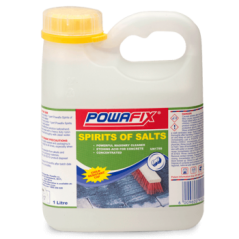

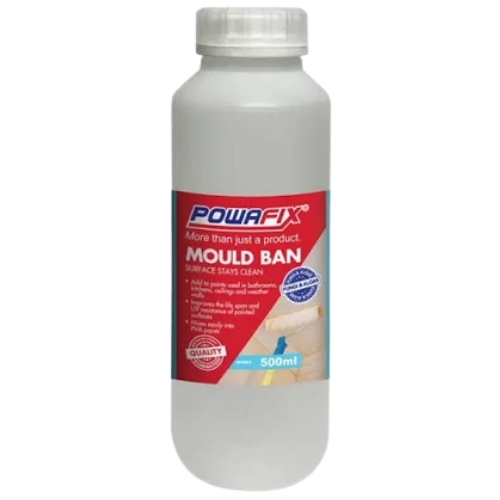

Powafix Maxiplast Plaster Bond is a high-strength, polyvinyl acetate (PVA) based bonding agent specifically designed for the construction and renovation industry. In South Africa, it is the “heavy-duty” sibling to standard cold glue or light-duty bonding liquids, formulated to ensure that new plaster or screeds stick permanently to existing surfaces.
1. Key Features
- Dual Action: It works as both a bonding agent (to help new wet plaster stick to old dry walls) and a sealer (to reduce the porosity of highly absorbent surfaces).
- High Solids Content: Maxiplast has a higher resin count than basic bonding liquids, providing a much stronger “mechanical key” for heavy cement-based products.
- Alkali Resistant: Designed to withstand the high pH levels found in fresh cement and lime-based plasters.
- Water-Based: Easy cleanup with water before it dries and low odor, making it suitable for indoor use.
2. Common Applications
- Plastering: Applying new gypsum or cement plaster over old, painted, or smooth brick walls.
- Screeding: Ensuring a new floor screed bonds to the concrete slab below without delaminating or “hollowing.”
- Tiling: Used as a primer on porous surfaces before applying tile adhesive to prevent the adhesive from drying out too quickly.
- Additive: Can be mixed directly into mortar or grout to increase flexibility and water resistance.
3. Application Guide
- Preparation: The surface must be clean, free of dust, grease, and loose paint.
- As a Bonding Agent: Apply a liberal coat of Maxiplast using a brush or roller.
- The “Wet-on-Wet” Rule: For best results, apply the new plaster or screed while the Maxiplast is still tacky (sticky to the touch). If it dries completely (becomes shiny and hard), you should apply a second coat before plastering.
- As a Sealer: Dilute with water (usually 1 part Maxiplast to 2 parts water) and apply to porous brickwork to stop it from “sucking” the moisture out of your new plaster too fast.