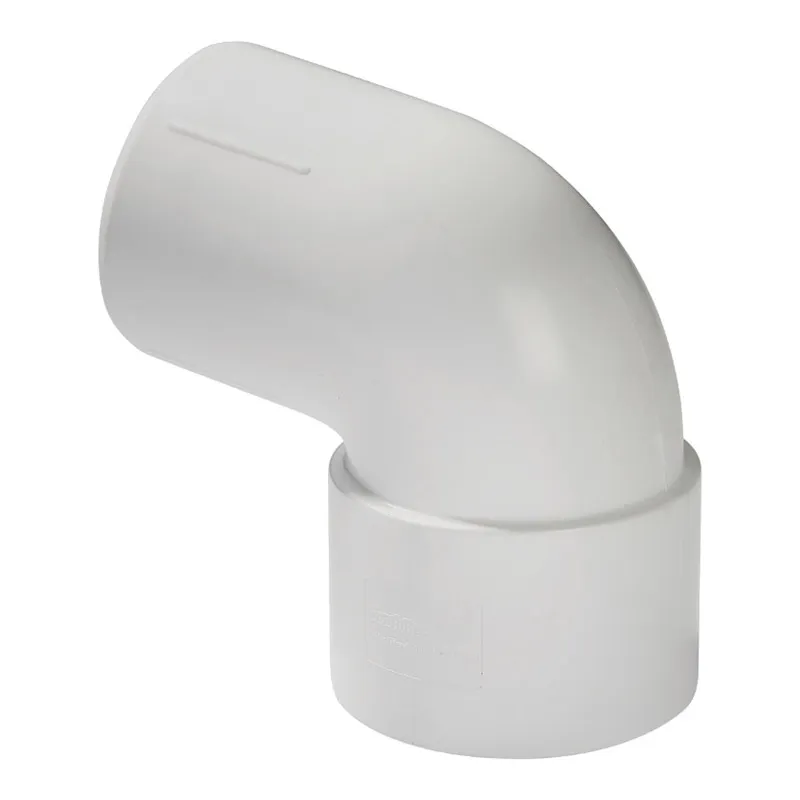


The 80mm PVC Round Downpipe 90° Bend is a precision-molded drainage fitting used to change the direction of rainwater flow in a vertical or horizontal downpipe run. This "Offset" or "Elbow" is critical for navigating eaves, wall protrusions, or directing water into a gully or JoJo Tank inlet in the Heidelberg - GP region.
Technical Specifications
- Angle: 90 Degrees (Right angle).
- Diameter: 80mm (Internal socket diameter).
- Material: UV-Stabilized uPVC (High-impact polymer).
- Connection: Socketed (Female-to-Male or Double-Socket).
- Color: Available in Standard White, Industrial Grey, or Charcoal.
- Standard: SANS 11:2020 Compliant for South African building regulations.
Key Performance Features
- UV Shield Technology: Specifically engineered to resist the intense Gauteng sun. The polymer remains flexible and won't become "chalky" or brittle during the dry Winter Bulk 2026 season.
- High-Velocity Flow: The smooth internal radius is designed to minimize turbulence and friction, allowing for maximum L/min drainage during the heavy thunderstorms expected in the Easter 2026 period.
- Impact Resistance: Unlike older fiber-cement or thin-wall pipes, this uPVC bend can withstand accidental bumps from ladders or garden equipment without cracking.
- Leak-Proof Jointing: The deep socket design provides a large surface area for PVC Weld (Solvent Cement), ensuring a permanent, watertight bond that won't separate under the weight of water.
- Corrosion Immunity: 100% rust-proof and resistant to the acidic runoff often found in areas with high leaf-fall or industrial soot.
Installation & Professional Tips
- Measuring the Offset: When navigating an eave, use two 90° bends back-to-back with a short piece of 80mm pipe between them. This creates a custom "S-bend" to bring the pipe flush against the wall.
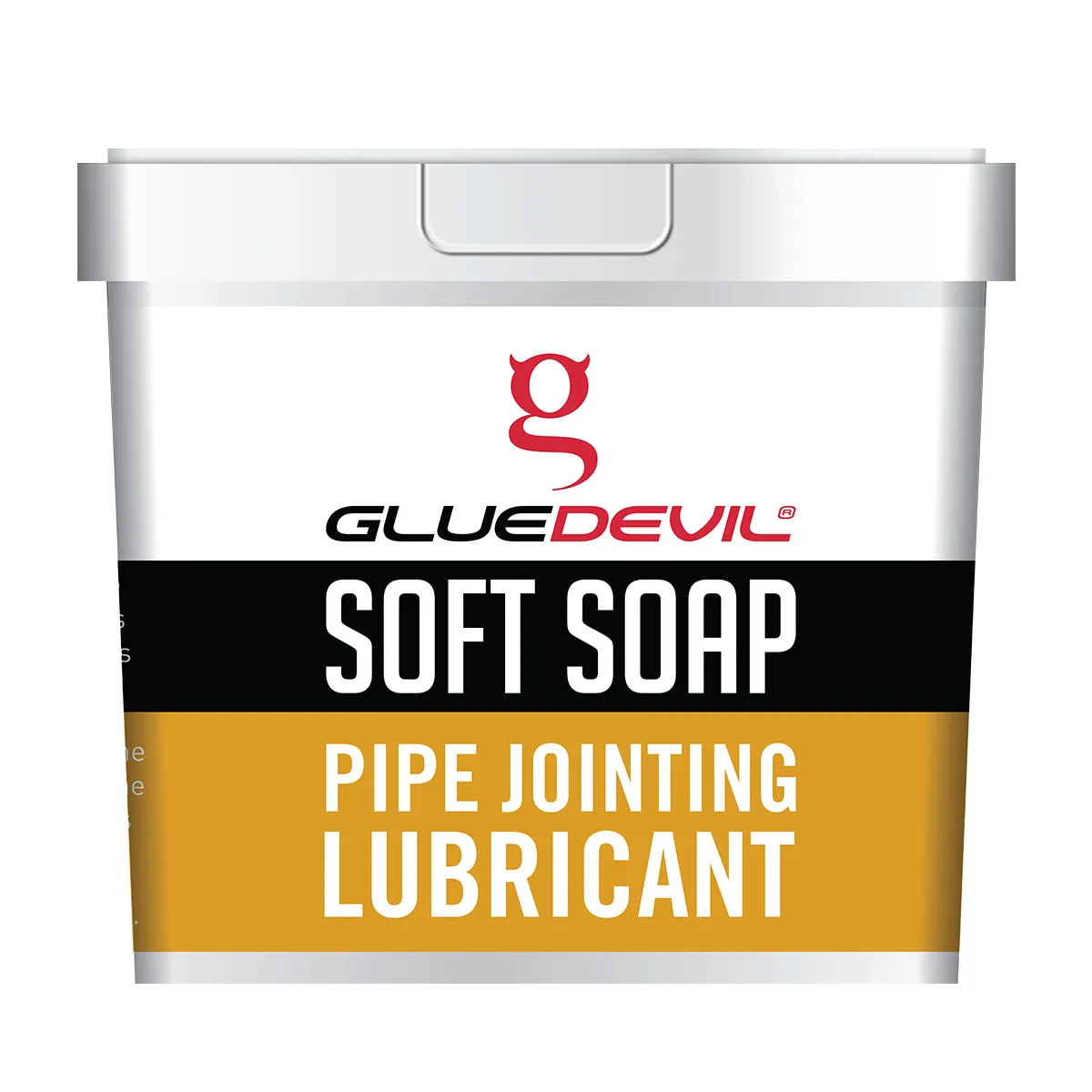
- Solvent Application: Clean both the pipe end and the inside of the bend socket with a Shield Microfibre Cloth. Apply a thin, even layer of PVC Weld to both surfaces and push together with a slight twist. Hold for 30 seconds to set.
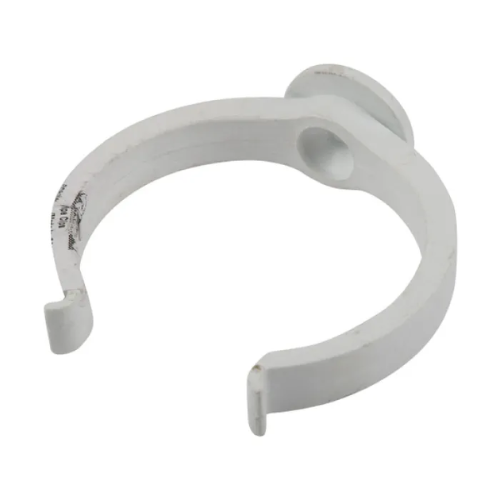
- Support Brackets: Always install a PVC Pipe Clip (holderbat) within 300mm of a 90° bend. The change in water direction creates mechanical "kick," and without support, the joint can eventually stress and leak.
- Debris Check: 90° bends are the most common places for leaves and twigs to snag. If your gutters are overflowing during the Easter 2026 rains, check these elbows first for blockages.
- Cutting Advice: Use a fine-tooth hacksaw for a clean cut on the vertical pipe. Remove all external burrs with a Kaufmann screwdriver or file to ensure the pipe slides fully into the 80mm socket.
Common Use Cases
- Eave Navigation: Bringing the downpipe from the gutter outlet back toward the house wall.
- Plinth Offsets: Moving the pipe around a foundation ledge or brick protruding at the base of a building.
- Tank Inlets: Directing the final horizontal run of a downpipe into the top leaf-catcher of a JoJo Tank.
- Drainage Manifolds: Connecting multiple vertical runs into a single horizontal surface drain.
Pro Tip: For a more professional look, try to hide the "socket" end of the bend so it faces upward. This ensures that even if a joint isn't perfectly glued, water will naturally flow into the next section of pipe rather than leaking out of the seam. If you need to navigate a shallower angle, consider using a 45° Round Bend to maintain a higher flow velocity.